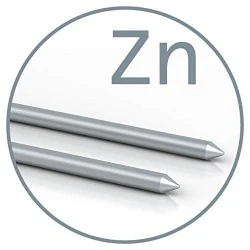
Colloidal Zinc – Everything You Need to Know
Colloidal zinc – one of the most important trace elements
The bluish-shining metal is not only visually distinctive but is also important for well-being. Zinc is recognised as an essential trace element and, like iron, is necessary for life. It is therefore found in every cell of the body.
The importance of zinc for health was already recognised in antiquity. In 2013 archaeologists examining a ship that sank around 130 BC found ancient medicinal tablets. Analyses showed that zinc was the main active substance. Pliny the Elder also described the importance of zinc at the time and referred to its use for inflammation of the skin and eyes.
The text states that zinc may once have been more readily available because soils contained richer reserves, whereas depletion of soils has made zinc more valuable today.
A driver of metabolism
Zinc plays an important role in many metabolic processes. More than 300 enzymes require zinc for proper function. The body uses it in processing proteins, carbohydrates and fats. Some enzymes are also involved in hormone production.
The text links sufficient zinc with growth hormones, thyroid hormones and the stress hormone cortisol, and also describes a role in regulating pituitary hormone production, concentration and beta-endorphin release.
Strong cells thanks to zinc
The body is made up of cells: skin, muscles, tissues, organs and bones all consist of cells. Each cell has a protective layer containing immune cells, enzymes and proteins. The text states that this layer can perform its protective and supply functions only when sufficient zinc is available.
Zinc is also described as important in the cell nucleus, where it is associated with the structure of RNA and DNA and therefore with protection of genetic material.
A feeling of happiness
The text also connects zinc with brain function and serotonin, a neurotransmitter associated with mood and relaxation.
Zinc and the body's defence system
The body has an efficient defence system. Zinc is described as important for the production of defence cells, 'killer cells' and antibodies. The thymus gland plays a central role, training T cells to distinguish between the body's own cells and foreign material.
The thymus also activates B cells that produce antibodies. These antibodies help the body remember intruders and react more quickly during a subsequent encounter.
Your skin loves zinc
Skin is the body's largest organ and is continuously renewed, so zinc is used constantly. The text associates good zinc supply with healthy-looking skin and hair.
It also describes zinc in connection with fibrin networks, protein and collagen formation, tissue repair and the structure of mucous membranes.
Balanced acid-base balance
The text discusses zinc in connection with sodium and potassium balance and describes its role in maintaining conditions in which metabolism can function normally.