What is Radon?
Radon is a naturally occurring radioactive gas released from the Earth’s crust. It is part of the long radioactive decay chain that begins with uranium, which has been present in rocks and soil since the formation of the Earth.
Radon cannot be detected by human senses – it has no color, smell or taste – but it can be reliably measured because it is radioactive. Radon enters buildings primarily from the ground, and in certain areas concentrations can be significantly elevated.
Radon may also be present in building materials and drinking water, although this exposure is usually much lower than radon entering from soil.
Why is Radon Dangerous?
Radon itself is a gas, but its radioactive decay products are not. These particles attach to dust in the air. When inhaled, their radiation can damage lung tissue.
Long-term exposure to elevated radon levels increases the risk of lung cancer. The risk increases proportionally with radon concentration and duration of exposure.
Important: High radon concentrations cannot be detected by smell or feeling. Proper measurement using certified radon detectors is required.
Radon Concentration Map and Regulation in Slovenia
Exposure to elevated radon concentrations represents a health risk. The Slovenian Nuclear Safety Administration has issued the National Radon Programme Regulation (Official Gazette RS No. 18/18), aimed at ensuring protection against increased radon exposure.
The regulation requires radon concentration measurements at workplaces in designated high-risk areas, carried out by authorized measurement providers.
The affected municipalities include: Bloke, Cerknica, Črnomelj, Divača, Dobrepolje, Dolenjske Toplice, Hrpelje-Kozina, Idrija, Ig, Ivančna Gorica, Kočevje, Komen, Logatec, Loška Dolina, Loški Potok, Miren-Kostanjevica, Pivka, Postojna, Ribnica, Semič, Sežana, Sodražica, Vrhnika, Žužemberk.
DO NOT DELAY – Check Your Radon Levels
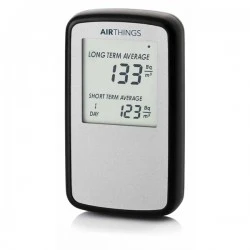
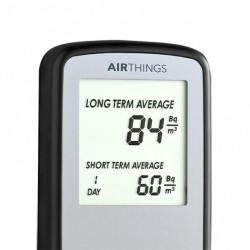
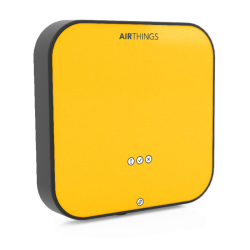
Radon exposure can only be reduced once actual concentration levels are known. With reliable radon detectors, you can quickly determine radon levels in your home or workplace.
Act in time. Early measurement and appropriate mitigation are key to creating a safer living and working environment.