Kaj je radon in zakaj je škodljiv za zdravje? Vse, kar morate vedeti za varen dom
Radon je tih in neviden obiskovalec številnih domov. Ne oddaja vonja, nima barve in okusa, zato ga brez meritev sploh ne zaznamo. Kljub temu pa velja za enega najpomembnejših okoljskih dejavnikov tveganja za zdravje, zlasti za nastanek raka na pljučih. Mnogi se s problemom radona soočijo šele, ko opravijo meritve v svojem domu – pogosto z neprijetnim presenečenjem.
To vodi do ključnega vprašanja: kaj je radon, zakaj je nevaren in kako lahko učinkovito zmanjšamo njegovo prisotnost v bivalnih prostorih? V nadaljevanju boste našli jasne in preverjene informacije o izvoru radona, njegovem vplivu na zdravje, območjih z večjim tveganjem v Sloveniji ter konkretne ukrepe za zmanjševanje njegove koncentracije.
Kaj je radon?
Radon je naraven radioaktiven plin, ki nastaja pri razpadu radija v zemeljski skorji. Ker je plin, se zlahka premika skozi razpoke v tleh in gradbenih materialih ter vstopa v stavbe. Na prostem se hitro razprši v ozračju, v zaprtih prostorih pa se lahko kopiči in doseže visoke koncentracije.
- je brez barve, vonja in okusa,
- ni zaznaven brez merilnih naprav,
- pojavlja se v vseh vrstah objektov,
- koncentracije se lahko močno razlikujejo tudi med sosednjimi stavbami.
Kako radon pride v notranje prostore?
Radon vstopa v stavbe predvsem iz tal pod objektom. Najpogostejše poti so razpoke v temeljih in talni plošči, stiki med stenami in tlemi, jaški, odtoki in preboji instalacij ter porozni gradbeni materiali.
Najvišje koncentracije se praviloma pojavljajo v kleteh in pritličjih, kjer je stik s tlemi neposreden. Tudi sodobne stavbe niso izjema, saj dobra zrakotesnost pogosto pomeni slabše naravno prezračevanje.
Zakaj je radon nevaren za zdravje?
Radon je radioaktiven, vendar sam plin večinoma izdihnemo. Glavno tveganje predstavljajo njegovi razpadni produkti, ki se vežejo na drobne delce v zraku. Ti se ob vdihavanju odlagajo v dihalnih poteh, kjer oddajajo alfa sevanje.
- povečujejo tveganje za poškodbe pljučnega tkiva,
- pomembno povečajo verjetnost raka na pljučih,
- so še posebej nevarni v kombinaciji s kajenjem.
Po ocenah strokovnjakov je radon drugi najpogostejši vzrok raka na pljučih, odgovoren za približno vsak deseti primer te bolezni.
Kje v Sloveniji so povišane koncentracije radona pogostejše?
Koncentracija radona v zaprtih prostorih je odvisna predvsem od geološke sestave tal, poroznosti in razpokanosti podlage, vrste in kakovosti gradnje ter načina prezračevanja prostorov.
V Sloveniji so povišane vrednosti pogostejše na območjih s kraškimi in zelo prepustnimi tlemi. Zaradi tega je vzpostavljen nacionalni radonski program, ki opredeljuje območja z večjim tveganjem in priporoča ustrezne zaščitne ukrepe.
Kako ugotoviti, ali je v vašem domu prisoten radon?
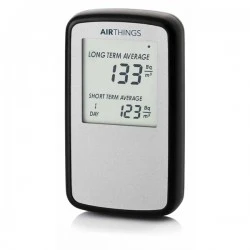
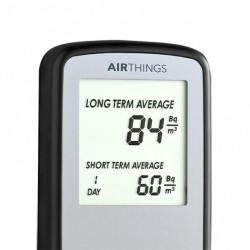
Radona ni mogoče zaznati s čutili. Edini zanesljiv način so meritve koncentracije radona, ki se izvajajo z dolgoročnimi pasivnimi detektorji (najbolj zanesljivo) ali kratkoročnimi aktivnimi merilniki (orientacijske meritve).
Ker se koncentracije spreminjajo glede na letni čas, vremenske razmere in prezračevanje, strokovnjaki priporočajo meritve, ki trajajo več mesecev.
Kakšne so priporočene mejne vrednosti radona?
V skladu z evropskimi smernicami in slovensko zakonodajo velja referenčna vrednost za bivalne prostore: 300 Bq/m³. Nižja kot je izmerjena vrednost, manjše je dolgoročno tveganje za zdravje.
Kako zmanjšati koncentracijo radona v bivalnih prostorih?
Prezračevanje – najpomembnejši prvi korak
Redno in učinkovito prezračevanje je eden izmed najbolj učinkovitih in hkrati najmanj invazivnih ukrepov za zmanjševanje radona. Z izmenjavo zraka se koncentracija radona hitro zniža, vendar je ročno prezračevanje pogosto neredno in odvisno od prisotnosti stanovalcev.
Zato so zelo učinkovite avtomatizirane rešitve za prezračevanje, ki zagotavljajo stalno in nadzorovano izmenjavo zraka brez poseganja v bivalno udobje. Primer takšne rešitve je sistem za avtomatsko prezračevanje prostorov z odpiranjem oken , ki omogoča prezračevanje glede na nastavljene pogoje in brez potrebe po ročnem odpiranju oken.
Takšni sistemi so posebej primerni za kleti in pritličja, stanovanjske hiše na radonsko ogroženih območjih, šole, vrtce in javne objekte ter energijsko sanirane stavbe z dobro zrakotesnostjo.
Dodatni tehnični in gradbeni ukrepi
Če prezračevanje ne zadostuje, so lahko potrebni tudi dodatni ukrepi:
- zatesnitev razpok in prebojev v tleh,
- sanacija talne plošče,
- aktivno prezračevanje tal ali jaškov pod objektom.
Radon, energijska učinkovitost in kakovost bivanja
Pri sodobnih in energijsko saniranih stavbah je potrebno posebno ravnovesje. Dobra izolacija in zrakotesna okna zmanjšujejo toplotne izgube, vendar lahko hkrati povečajo zadrževanje radona v prostoru. Zato je nadzorovano in avtomatizirano prezračevanje ključen element zdravega in varčnega doma.
Zaključek: zakaj je poznavanje radona ključno za zdrav dom?
Radon je neviden, a njegov vpliv na zdravje je lahko zelo resen. Ker ga brez meritev ne moremo zaznati, je ozaveščenost prvi in najpomembnejši korak k varnemu bivalnemu okolju. Z rednimi meritvami, ustreznim prezračevanjem in po potrebi dodatnimi ukrepi lahko tveganje učinkovito zmanjšamo.
???? Zdrav dom se začne z nadzorovanim zrakom. Če sumite na prisotnost radona, razmislite o meritvah in dolgoročni rešitvi prezračevanja – vaše zdravje je vredno tega.
Radona ne morete zaznati brez meritev. Če je koncentracija povišana, je prezračevanje pogosto prvi in najhitrejši ukrep. Pri zrakotesnih objektih ali višjih vrednostih so priporočljive avtomatizirane rešitve, ki zagotavljajo stalno izmenjavo zraka.